
Using a separated hydraulic jack safely starts with proper setup, correct lifting points, and following the manufacturer’s operating procedures. Always inspect the equipment before use, place the jack on a solid surface, never exceed its rated capacity, and support the vehicle with jack stands before beginning any repair work. Following these safety practices not only protects technicians but also extends the service life of the hydraulic jack.
Separated hydraulic jacks are widely used in professional automotive repair shops because they offer higher lifting capacity, flexible positioning, and safer remote operation compared to traditional hydraulic jacks.
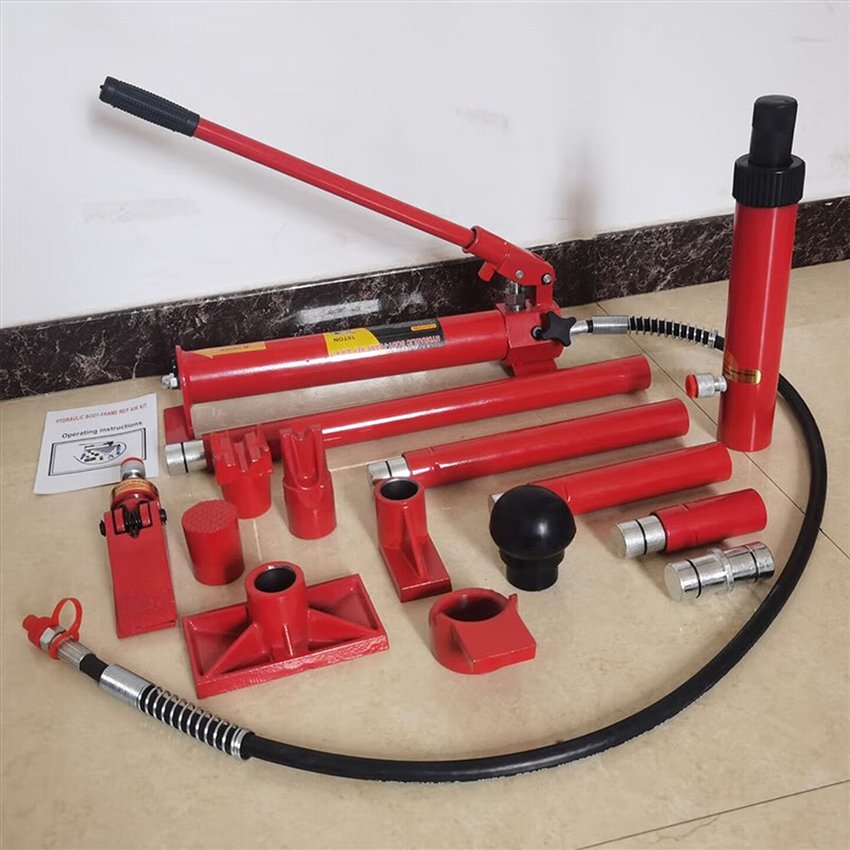
How to Use a Separated Hydraulic Jack Safely Before Operation
Proper preparation is the first step toward safe lifting.
Inspect the Separated Hydraulic Jack Before Use
Before every operation, inspect the entire hydraulic system.
Check the following items:
- Hydraulic cylinder for cracks or deformation
- High-pressure hose for leakage or damage
- Hydraulic pump for smooth operation
- Oil level and hydraulic fluid condition
- Quick couplers and fittings
- Release valve functionality
- Safety relief valve
Never operate a hydraulic jack if oil leakage or damaged components are found.
Prepare a Safe Working Environment
The lifting area should always be:
- Flat and level
- Clean and dry
- Free of loose objects
- Well illuminated
- Large enough for safe operation
Never use a separated hydraulic jack on soft soil, gravel, or uneven ground.
Separated Hydraulic Jack Specifications You Should Know
Understanding the specifications helps ensure safe and efficient operation.
Common Separated Hydraulic Jack Specifications
Professional models are commonly available in:
- Capacity: 10T / 20T / 30T / 50T / 100T
- Stroke: 50–300 mm
- Closed Height: 80–350 mm
- Working Pressure: 63–70 MPa
- Cylinder Type: Single-Acting or Double-Acting
- Pump Options: Manual, Electric, Air Hydraulic
- Hose Length: 1.5–3 m (customizable)
- Material: High-strength alloy steel
- Safety Feature: Built-in overload relief valve
These specifications make separated hydraulic jacks ideal for heavy-duty automotive and industrial applications.
How to Use a Separated Hydraulic Jack Safely Step by Step
Following the correct lifting sequence reduces the risk of accidents.
Step 1: Position the Hydraulic Cylinder
Place the hydraulic cylinder directly beneath the manufacturer’s recommended lifting point.
Ensure:
- Full contact with the lifting point
- Stable cylinder position
- No side loading
Incorrect positioning may cause the vehicle to shift unexpectedly.
Step 2: Connect the Hydraulic Pump
Attach the high-pressure hose securely between the pump and cylinder.
Before pumping:
- Tighten all connections
- Close the release valve
- Remove air from the hydraulic system if necessary
A secure hydraulic connection prevents pressure loss during lifting.
Step 3: Lift the Vehicle Slowly
Operate the manual or electric pump gradually.
During lifting:
- Monitor vehicle stability
- Watch for unusual movement
- Stop immediately if instability occurs
Never rush the lifting process.
Step 4: Secure the Vehicle
Once the desired height is reached:
- Position heavy-duty jack stands
- Lower the load slightly until it rests securely on the stands
- Confirm the vehicle is stable before working underneath
A separated hydraulic jack is a lifting device—not a long-term support device.
Step 5: Lower the Vehicle Correctly
After maintenance:
- Remove all tools.
- Raise the vehicle slightly.
- Remove the jack stands.
- Slowly open the release valve.
- Lower the vehicle in a controlled manner.
Avoid sudden pressure release, which can damage equipment and create safety hazards.
Separated Hydraulic Jack Safety Tips for Automotive Repair Shops
Professional workshops follow strict lifting procedures to protect technicians and equipment.
Essential Separated Hydraulic Jack Safety Rules
Always:
- Use the correct lifting points
- Wear safety shoes and gloves
- Stay clear of the lifting area
- Keep hoses away from sharp edges
- Use jack stands every time
- Follow the rated load capacity
- Perform routine inspections
Never:
- Overload the hydraulic jack
- Work under an unsupported vehicle
- Use damaged hoses or fittings
- Modify hydraulic components
- Lift on unstable surfaces
- Operate with leaking hydraulic oil
These practices significantly reduce the risk of workplace accidents.
Separated Hydraulic Jack Applications in Automotive Repair
Separated hydraulic jacks are widely used across professional service facilities.
Passenger Vehicle Maintenance
Suitable for:
- Tire replacement
- Brake servicing
- Suspension repair
- Steering system maintenance
Commercial Truck Repair
Ideal for:
- Transmission replacement
- Axle servicing
- Chassis maintenance
- Differential repair
The remote hydraulic pump allows technicians to operate from a safer position when lifting heavy commercial vehicles.
Heavy Equipment Maintenance
Separated hydraulic jacks are also used for:
- Excavators
- Forklifts
- Agricultural machinery
- Mining equipment
- Industrial presses
Their high lifting capacity and flexible hose design make them suitable for confined spaces and demanding maintenance tasks.
Why More Repair Shops Are Choosing Separated Hydraulic Jacks in 2026
The automotive repair industry continues to evolve with new vehicle technologies.
Latest Trends in Separated Hydraulic Jack Technology
Professional workshops are increasingly adopting:
- Electric hydraulic pump systems for faster lifting
- Lightweight alloy steel cylinders
- Low-profile cylinders for electric vehicle battery servicing
- Smart hydraulic pressure monitoring
- Portable separated hydraulic jack systems
- Energy-efficient hydraulic equipment
As electric vehicles and commercial fleets become more common, repair shops require lifting equipment that offers greater precision, higher safety, and improved productivity.
Why Safe Operation of a Separated Hydraulic Jack Matters
Safe operation is essential for protecting technicians, vehicles, and workshop equipment.
A properly used separated hydraulic jack offers:
- Higher lifting safety
- Greater operational flexibility
- Longer equipment lifespan
- Improved repair efficiency
- Reduced maintenance costs
For modern automotive repair shops, investing in a high-quality separated hydraulic jack and following standardized operating procedures is the best way to ensure reliable performance and a safer working environment.