
Choosing the right hydraulic jack for truck repair is essential for safety, efficiency, and long-term performance. For most commercial truck maintenance, a separated hydraulic jack with a capacity of 20 to 50 tons is the ideal choice because it provides higher lifting power, flexible operation, and better stability than conventional bottle jacks. The correct hydraulic jack should match the truck’s weight, lifting height, working environment, and repair requirements while offering a suitable safety margin.
As commercial vehicles become heavier and electric trucks enter the market, selecting professional hydraulic lifting equipment has become more important than ever.
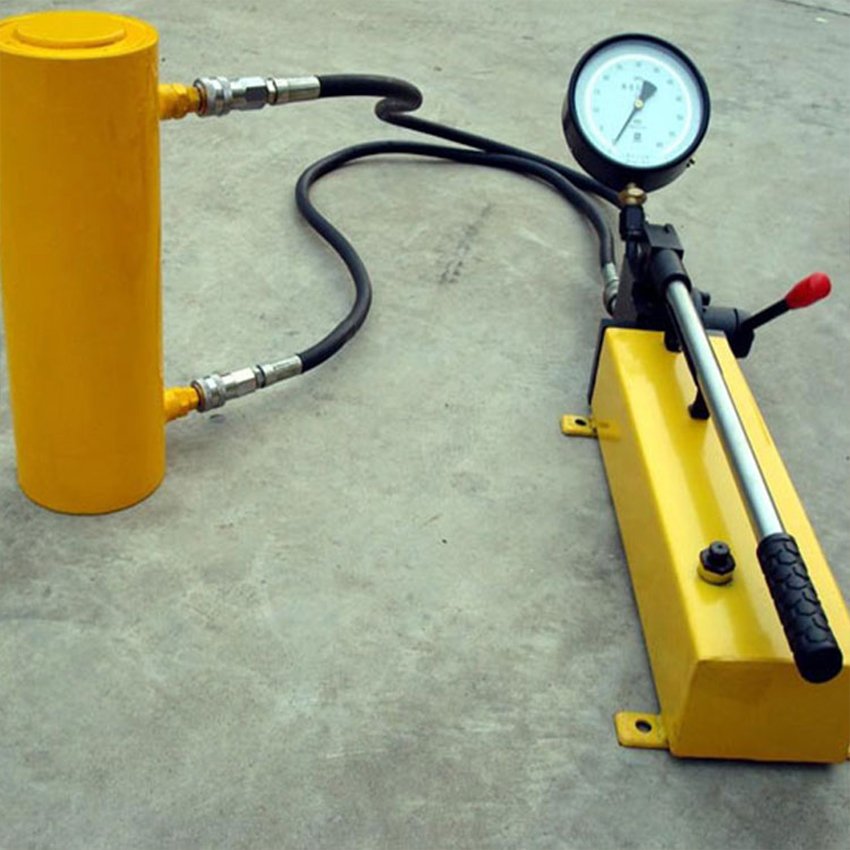
How to Choose a Hydraulic Jack for Truck Repair Based on Vehicle Weight
Truck size is the first factor when selecting a hydraulic jack.
Hydraulic Jack for Light-Duty Trucks
Recommended Capacity:
- 10–20 Ton
Suitable Applications:
- Pickup trucks
- Delivery vans
- Light commercial vehicles
- Fleet maintenance
Typical repairs include:
- Tire replacement
- Brake maintenance
- Suspension inspection
- Steering system repairs
Hydraulic Jack for Medium-Duty Trucks
Recommended Capacity:
- 20–30 Ton
Suitable Applications:
- Box trucks
- Cargo trucks
- Municipal service vehicles
- Refrigerated trucks
Typical maintenance:
- Axle replacement
- Transmission servicing
- Chassis repairs
- Leaf spring replacement
Hydraulic Jack for Heavy-Duty Trucks
Recommended Capacity:
- 30–50 Ton
Suitable Applications:
- Tractor units
- Dump trucks
- Cement mixers
- Heavy trailers
- Long-haul transport trucks
These vehicles require higher lifting capacity and excellent structural stability during maintenance.
Hydraulic Jack Specifications for Truck Repair
Selecting the correct specifications improves safety and operational efficiency.
Hydraulic Jack Capacity
Common capacities include:
- 10 Ton
- 20 Ton
- 30 Ton
- 50 Ton
- 100 Ton
Professional repair shops generally choose a hydraulic jack rated at least 25–30% above the maximum lifting load.
Hydraulic Jack Stroke
Common stroke options:
- 50 mm
- 100 mm
- 150 mm
- 200 mm
- 300 mm
Longer stroke cylinders reduce the need for additional support blocks when servicing large commercial vehicles.
Hydraulic Jack Working Pressure
Professional separated hydraulic jacks typically operate at:
- 63 MPa
- 70 MPa
Stable pressure ensures smooth lifting and consistent performance under heavy loads.
Hydraulic Pump Options
Separated hydraulic jacks are compatible with multiple pump types.
Available options include:
- Manual Hydraulic Pump
- Electric Hydraulic Pump
- Air Hydraulic Pump
Electric pumps are becoming increasingly popular in busy truck repair workshops because they reduce operator fatigue and improve lifting efficiency.
Hydraulic Jack Construction
High-quality hydraulic jacks usually feature:
- High-strength alloy steel cylinders
- Chrome-plated pistons
- Heavy-duty seals
- Corrosion-resistant coating
- Built-in overload protection valve
These features increase durability and reduce maintenance costs.
Why Choose a Separated Hydraulic Jack for Truck Repair
Separated hydraulic jacks are designed for demanding maintenance environments.
Advantages of a Separated Hydraulic Jack
Compared with traditional bottle jacks, separated hydraulic jacks provide:
- Higher lifting capacity
- Remote hydraulic operation
- Flexible cylinder positioning
- Better stability
- Easier access to confined spaces
- Safer working conditions
Because the hydraulic pump is separated from the cylinder, technicians can control lifting from a safe distance.
How to Use a Hydraulic Jack for Truck Repair
Proper operation ensures both safety and equipment longevity.
Step 1: Prepare the Work Area
Before lifting:
- Park the truck on level ground
- Apply the parking brake
- Use wheel chocks
- Remove unnecessary tools from the area
A stable working environment is essential for safe lifting.
Step 2: Position the Hydraulic Jack
Place the hydraulic cylinder beneath the manufacturer’s recommended lifting point.
Ensure:
- Full contact with the lifting point
- Vertical cylinder alignment
- Stable ground support
Improper positioning may cause uneven lifting.
Step 3: Connect the Hydraulic Pump
Connect the high-pressure hose securely.
Before operation:
- Check hydraulic oil
- Tighten hose fittings
- Close the release valve
Proper hydraulic pressure guarantees smooth lifting performance.
Step 4: Lift the Truck Slowly
Operate the hydraulic pump gradually.
During lifting:
- Observe vehicle stability
- Monitor cylinder movement
- Stop immediately if abnormal movement occurs
Avoid rapid lifting to prevent load shifting.
Step 5: Secure the Truck
Once the required height is reached:
- Position heavy-duty jack stands
- Lower the truck gently onto the stands
- Confirm stability before beginning repairs
Never work beneath a truck supported only by a hydraulic jack.
Hydraulic Jack Applications in Truck Repair
Professional repair shops rely on hydraulic jacks for a wide range of maintenance tasks.
Engine and Transmission Maintenance
Separated hydraulic jacks provide stable support during:
- Engine removal
- Transmission replacement
- Clutch servicing
Suspension and Axle Repairs
Suitable for:
- Shock absorber replacement
- Leaf spring repairs
- Axle maintenance
- Wheel hub servicing
Chassis Maintenance
Hydraulic jacks assist with:
- Frame inspection
- Underbody repairs
- Exhaust system installation
- Brake line maintenance
Fleet Service Centers
Fleet maintenance facilities benefit from:
- Faster lifting
- Reduced labor intensity
- Improved technician safety
- Higher daily repair capacity
Separated hydraulic jack systems are especially valuable in workshops servicing multiple commercial vehicles every day.
Truck Repair Trends Driving Hydraulic Jack Demand in 2026
The commercial vehicle industry is changing rapidly, increasing the demand for advanced lifting equipment.
Latest Hydraulic Jack Trends
Professional workshops are investing in:
- Electric hydraulic pump systems
- Lightweight high-strength alloy cylinders
- Low-profile cylinders for electric truck battery servicing
- Smart pressure monitoring technology
- Portable separated hydraulic jack systems
- Energy-efficient hydraulic equipment
The growth of electric trucks and logistics fleets is encouraging repair shops to adopt more powerful, precise, and efficient hydraulic lifting solutions.
Maintenance Tips for a Hydraulic Jack
Regular maintenance improves reliability and extends service life.
Daily Maintenance Checklist
- Inspect hoses for leaks
- Check hydraulic oil levels
- Clean the cylinder after use
- Lubricate moving components
- Inspect seals regularly
- Store equipment in a dry environment
Preventive maintenance minimizes downtime and ensures safe operation.
Choosing the Best Hydraulic Jack for Truck Repair
The ideal hydraulic jack should deliver the lifting capacity, stability, and durability required for heavy commercial vehicles.
A high-quality separated hydraulic jack equipped with a manual, electric, or air hydraulic pump offers the flexibility needed for modern truck repair shops. Combined with the correct capacity, proper operation, and regular maintenance, it helps technicians complete repairs more safely, efficiently, and reliably.
Whether you service light-duty trucks, heavy commercial vehicles, or growing fleets of electric trucks, investing in the right hydraulic jack is a smart decision that improves productivity while ensuring workplace safety.