
How can you make a separated hydraulic jack last longer while maintaining reliable lifting performance? The answer is straightforward: use the jack within its rated capacity, inspect it regularly, keep the hydraulic system clean, use the correct hydraulic oil, protect the cylinder and hose, and store the equipment properly.
For automotive repair shops, truck service centers, and industrial maintenance teams, a separated hydraulic jack can perform reliably for years when preventive maintenance becomes part of the normal workflow. Regular inspection is particularly important because hydraulic leaks, damaged seals, contaminated oil, and worn components can gradually reduce lifting performance and create safety risks.
This guide explains how to maintain a separated hydraulic jack, what specifications matter, how to use it correctly, and how to identify problems before they become expensive failures.
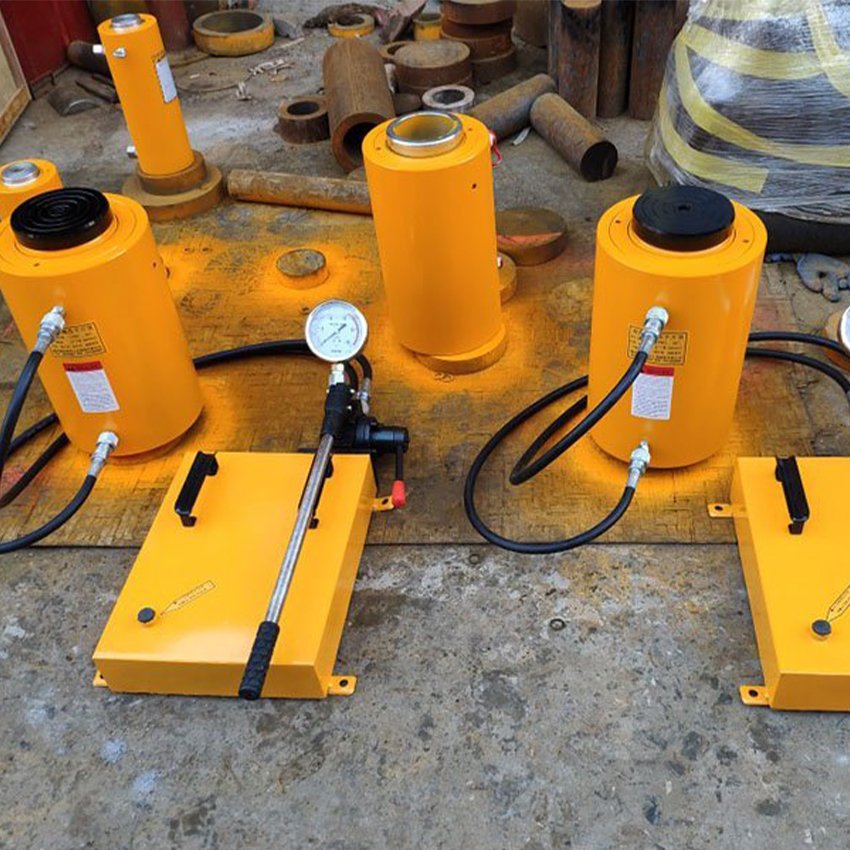
Separated Hydraulic Jack Maintenance: Why Service Life Matters
A separated hydraulic jack is more than a simple lifting tool. It is a hydraulic system consisting of a cylinder, pump, hose, fittings, valves, and seals.
When one component deteriorates, the performance of the entire system can be affected.
Separated Hydraulic Jack Components That Need Regular Maintenance
The main components to monitor include:
- Hydraulic cylinder
- Piston rod
- Hydraulic pump
- High-pressure hose
- Quick couplers
- Hydraulic seals
- Release valve
- Overload relief valve
- Hydraulic oil
- Cylinder base and contact surface
Regular visual inspection can identify cracked, bent, worn, loose, or leaking components before they cause more serious problems.
Separated Hydraulic Jack Specifications You Should Understand
Knowing the specifications of your hydraulic jack is essential for correct operation and maintenance.
Separated Hydraulic Jack Capacity
Common capacities include:
- 10 Ton
- 20 Ton
- 30 Ton
- 50 Ton
- 100 Ton
- 200 Ton
Never select a jack simply because its maximum capacity is high. The rated capacity must be appropriate for the actual lifting application.
The rated capacity should always be clearly marked and must not be exceeded.
Separated Hydraulic Jack Stroke
Common hydraulic cylinder strokes include:
- 50 mm
- 100 mm
- 150 mm
- 200 mm
- 250 mm
- 300 mm
The correct stroke depends on the required lifting height and available installation space.
Separated Hydraulic Jack Working Pressure
Professional hydraulic jacks may operate at approximately:
- 63 MPa
- 70 MPa
Always follow the pressure rating specified by the manufacturer. Operating a hydraulic cylinder beyond its rated pressure can damage seals, rods, fittings, and other components.
Separated Hydraulic Jack Pump Options
Depending on the application, a separated hydraulic jack can use:
- Manual hydraulic pump
- Electric hydraulic pump
- Air hydraulic pump
For busy automotive workshops, electric or air-powered pumps can reduce operator fatigue during repeated lifting operations.
How to Extend the Service Life of a Separated Hydraulic Jack
Proper maintenance does not need to be complicated. Consistent small checks can prevent major failures.
Inspect the Separated Hydraulic Jack Before Every Use
Before lifting a vehicle or machine, inspect the entire system.
Check for:
- Hydraulic oil leakage
- Damaged hoses
- Loose fittings
- Cracked components
- Bent piston rods
- Damaged seals
- Corrosion
- Abnormal wear
If the jack has been subjected to an abnormal load or shock, it should be inspected before being returned to service.
Never Ignore Hydraulic Leaks
A small oil leak may appear harmless, but it can indicate damaged seals or connections.
A jack that:
- Lifts slowly
- Sinks under load
- Requires unusual pumping effort
- Feels spongy
- Shows visible oil leakage
should be removed from service until the cause has been identified and corrected.
Never use your bare hand to search for a high-pressure hydraulic leak. Pressurized hydraulic fluid can penetrate skin and cause serious injury.
Separated Hydraulic Jack Hydraulic Oil Maintenance
Hydraulic oil is one of the most important factors affecting service life.
Use the Correct Hydraulic Oil
Always use the hydraulic fluid specified by the jack manufacturer.
Do not automatically substitute:
- Motor oil
- Brake fluid
- Transmission fluid
- Unapproved hydraulic fluid
Using an incompatible fluid can affect seals, viscosity, lubrication, and hydraulic performance. Current hydraulic jack maintenance guidance also emphasizes selecting the correct fluid and avoiding unsuitable substitutes.
Keep Hydraulic Oil Clean
Contaminated hydraulic oil can accelerate wear inside pumps, valves, cylinders, and seals.
Keep the oil system protected from:
- Dust
- Water
- Metal particles
- Dirt
- Chemical contamination
When servicing the hydraulic system, keep containers, funnels, hoses, and filling equipment clean.
Check Hydraulic Oil Level Regularly
Insufficient hydraulic oil can cause poor lifting performance and may contribute to overheating, air intake, or cavitation.
Follow the manufacturer’s instructions for checking and replenishing the oil level rather than simply adding fluid whenever performance decreases.
Separated Hydraulic Jack Cylinder Maintenance
The hydraulic cylinder is one of the most important components of a separated hydraulic jack.
Protect the Separated Hydraulic Jack Piston Rod
Keep the piston rod clean and protected from:
- Dirt
- Rust
- Welding sparks
- Impact
- Scratches
- Abrasive particles
A damaged or scored rod can rapidly wear hydraulic seals and lead to leakage.
Check Separated Hydraulic Jack Seals
Inspect seals for:
- Oil around the piston rod
- Cracks
- Hardening
- Deformation
- Excessive wear
Worn seals can cause internal bypass, external leakage, slow lifting, or gradual load drift.
Seal replacement should be performed according to the manufacturer’s service procedure, particularly on high-capacity hydraulic equipment.
Separated Hydraulic Jack Hose and Fitting Maintenance
The hydraulic hose carries high-pressure fluid between the pump and cylinder, making its condition critical.
Inspect the Separated Hydraulic Jack Hose
Look for:
- Cracks
- Abrasion
- Bulging
- Kinks
- Oil leakage
- Damaged protective layers
Replace damaged hoses rather than attempting temporary repairs.
Maintain Separated Hydraulic Jack Connections
Check:
- Quick couplers
- Hydraulic fittings
- Threaded connections
- Sealing surfaces
Keep connection points clean and properly secured.
Never exceed the pressure rating of the hose, fittings, or hydraulic components.
How to Use a Separated Hydraulic Jack to Reduce Wear
Correct operation is just as important as maintenance.
Step 1: Prepare the Separated Hydraulic Jack
Before lifting:
- Check the hydraulic oil.
- Inspect the hose.
- Check the cylinder.
- Confirm the rated capacity.
- Check all connections.
- Make sure the working area is stable.
Step 2: Position the Separated Hydraulic Jack Correctly
Place the cylinder directly beneath the manufacturer’s recommended lifting point.
Avoid:
- Side loading
- Unstable surfaces
- Off-center loads
- Improvised lifting points
Correct alignment reduces unnecessary stress on the cylinder and piston rod.
Step 3: Lift the Vehicle Slowly
Operate the hydraulic pump smoothly.
Avoid repeatedly pumping at maximum effort or suddenly releasing hydraulic pressure.
Controlled lifting reduces unnecessary stress on:
- Pump components
- Seals
- Valves
- Hose connections
- Cylinder components
Step 4: Use Proper Support Equipment
Once the vehicle reaches the required height, use appropriately rated support equipment before performing work underneath it.
A hydraulic jack is designed to lift or position a load, not to serve as the sole long-term support. U.S. workplace regulations similarly require a raised load to be cribbed, blocked, or otherwise secured after lifting.
Separated Hydraulic Jack Applications in Automotive Repair
A well-maintained separated hydraulic jack is especially useful in professional automotive maintenance.
Separated Hydraulic Jack for Truck Repair
Heavy-duty truck workshops can use separated hydraulic jacks for:
- Axle maintenance
- Brake system repair
- Suspension servicing
- Transmission replacement
- Wheel hub maintenance
- Chassis inspection
High-capacity models provide the lifting force required for commercial vehicles while the separated pump allows flexible operation.
Separated Hydraulic Jack for Passenger Vehicle Repair
Depending on the jack capacity and lifting point, applications can include:
- Tire service
- Brake repair
- Suspension maintenance
- Steering system inspection
- Undercarriage repairs
The jack must always be selected according to the vehicle manufacturer’s approved lifting points and the jack’s rated capacity.
Separated Hydraulic Jack for Electric Vehicle Maintenance
The growth of EVs is creating new challenges for automotive workshops.
Hydraulic lifting equipment may be used during:
- Battery pack service
- Suspension repair
- Underbody inspection
- Heavy component removal
For EV applications, technicians should pay particular attention to vehicle-specific lifting points and battery-pack clearance.
Separated Hydraulic Jack Storage Tips
Correct storage can significantly reduce corrosion and component deterioration.
Store the Separated Hydraulic Jack in a Dry Environment
Keep the equipment away from:
- Rain
- Excessive humidity
- Direct chemical exposure
- Dust
- Extreme contamination
A clean, dry storage area helps protect metal components and hydraulic connections.
Protect the Separated Hydraulic Jack Cylinder
When possible:
- Keep the piston retracted when recommended by the manufacturer.
- Clean exposed surfaces.
- Protect the rod from impact.
- Avoid placing heavy objects on hoses.
- Keep couplers clean and capped.
These simple measures reduce contamination and mechanical damage.
Separated Hydraulic Jack Maintenance Schedule
A practical maintenance schedule can help workshop managers avoid unexpected downtime.
Daily Separated Hydraulic Jack Inspection
Before use:
- Check for oil leaks
- Inspect the hose
- Check the cylinder
- Confirm connections
- Check the lifting point
- Confirm rated capacity
Monthly Separated Hydraulic Jack Maintenance
Depending on usage and manufacturer requirements:
- Inspect seals
- Check lubrication points
- Inspect fittings
- Check hydraulic oil condition
- Clean the cylinder and pump
- Inspect for corrosion
Some manufacturers recommend monthly maintenance, while inspection frequency should ultimately reflect the equipment manufacturer’s instructions and actual service conditions.
Periodic Separated Hydraulic Jack Inspection
For heavily used workshop equipment, establish a documented inspection program.
U.S. OSHA construction regulations, for example, specify inspection intervals based on service conditions, with certain jacks requiring inspection at least every six months in continuous or intermittent local use.
For commercial workshop operations, always follow the applicable local regulations and the manufacturer’s maintenance schedule.
Common Separated Hydraulic Jack Problems and Solutions
Separated Hydraulic Jack Lifts Slowly
Possible causes include:
- Low hydraulic oil
- Air in the hydraulic system
- Contaminated oil
- Worn pump seals
- Valve problems
Check the manufacturer’s troubleshooting procedure before attempting repairs.
Separated Hydraulic Jack Sinks Under Load
Possible causes include:
- Internal seal leakage
- Release valve leakage
- Damaged hydraulic components
A jack that cannot reliably hold its load should be removed from service until inspected.
Separated Hydraulic Jack Makes Abnormal Noise
Possible causes include:
- Low oil level
- Air in the hydraulic system
- Contaminated hydraulic oil
- Pump wear
Do not continue operating the equipment if abnormal noise is accompanied by unstable lifting or pressure loss.
How Modern Hydraulic Jack Technology Is Improving Service Life
Hydraulic lifting equipment is also evolving toward more reliable and intelligent maintenance.
Smart Monitoring for Separated Hydraulic Jacks
Future systems can incorporate:
- Digital pressure monitoring
- Load monitoring
- Usage tracking
- Preventive maintenance alerts
- Remote equipment diagnostics
These technologies can help workshops identify abnormal operating conditions earlier.
Better Hydraulic Materials and Seals
Modern hydraulic equipment increasingly focuses on:
- Higher-strength cylinder materials
- Improved surface treatments
- More durable seals
- Better contamination resistance
- More efficient hydraulic pumps
These improvements can reduce wear and improve reliability when the equipment is correctly operated and maintained.
Final Thoughts on Separated Hydraulic Jack Service Life
Extending the service life of a separated hydraulic jack is not about waiting for a failure and then repairing it. The best approach is preventive maintenance.
Inspect the equipment before use, keep hydraulic oil clean, protect the piston rod and hoses, use the correct capacity, avoid overloads, maintain proper alignment, and store the jack correctly.
For automotive repair shops, especially those servicing trucks and heavy vehicles, these practices can reduce downtime, improve lifting reliability, and help protect technicians and equipment.
Most importantly, always follow the manufacturer’s maintenance instructions and rated specifications. A well-maintained separated hydraulic jack is not only more durable—it is also a more dependable part of a professional automotive repair workflow.