
How will hydraulic lifting equipment adapt to the rapidly changing needs of modern manufacturing? The answer is smarter, safer, and more efficient hydraulic lifting solutions. With the growth of automation, electric vehicles, heavy machinery production, and intelligent factories, hydraulic lifting equipment is evolving from traditional manual tools into advanced systems with higher precision, improved safety, and better energy efficiency.
Modern manufacturers and automotive repair workshops are increasingly choosing advanced hydraulic solutions, such as separated hydraulic jacks, electric hydraulic pumps, and smart pressure monitoring systems to improve productivity and reduce operational risks.
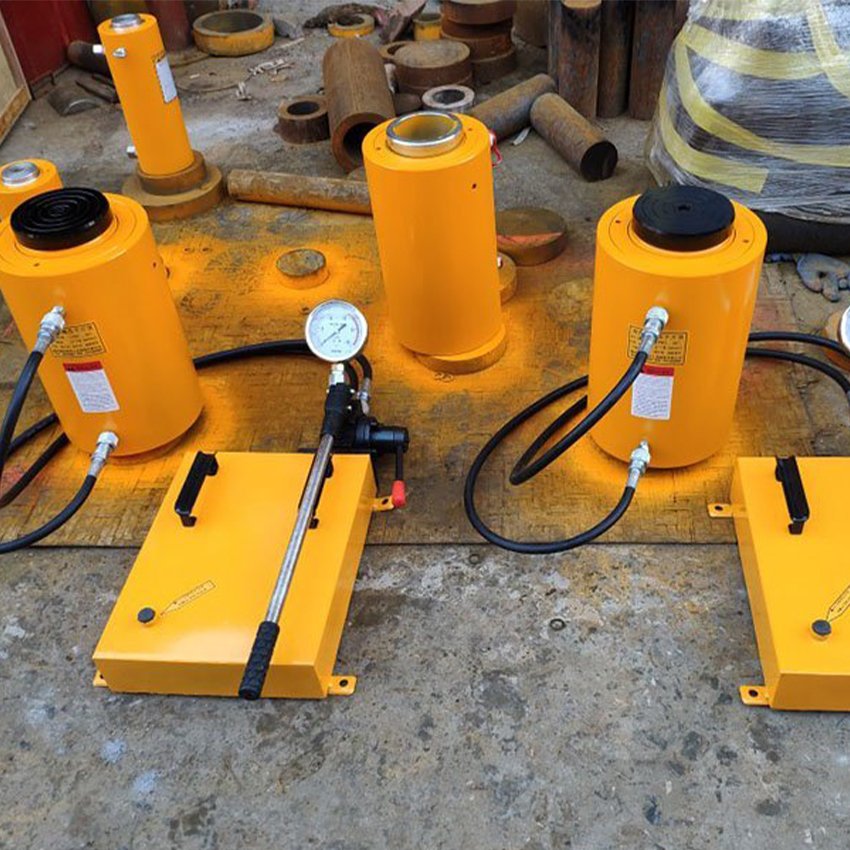
Hydraulic Lifting Equipment Trends Driving Modern Manufacturing
The manufacturing industry is entering a new era where equipment reliability, automation, and safety are becoming essential factors.
Smart Technology in Hydraulic Lifting Equipment
One of the biggest trends in hydraulic lifting equipment is intelligent control.
Modern hydraulic lifting systems are adopting:
- Smart pressure sensors
- Digital monitoring systems
- Automatic overload protection
- Remote operation technology
- Real-time equipment diagnostics
These technologies help operators monitor lifting conditions, prevent overload situations, and improve workplace safety.
Automation and Efficiency of Hydraulic Lifting Equipment
Manufacturers are focusing on reducing manual labor and improving production efficiency.
Advanced hydraulic lifting equipment provides:
- Faster lifting operations
- More accurate positioning
- Reduced operator fatigue
- Improved production workflow
- Lower maintenance costs
This makes hydraulic lifting systems an important part of modern smart factories.
Separated Hydraulic Jack: A Future Solution for Heavy Lifting
Among modern hydraulic lifting equipment, the separated hydraulic jack has become increasingly popular in automotive repair and industrial maintenance.
What Is a Separated Hydraulic Jack?
A separated hydraulic jack is a complete lifting system consisting of:
- Hydraulic cylinder
- Hydraulic pump
- High-pressure hose
- Quick couplers
- Safety relief valve
Unlike traditional jacks, the hydraulic pump and lifting cylinder are separated, allowing flexible positioning and safer operation.
Advantages of Separated Hydraulic Jack in Modern Manufacturing
A professional separated hydraulic jack offers:
✅ High lifting capacity
✅ Flexible installation position
✅ Remote hydraulic operation
✅ Stable lifting performance
✅ Easy maintenance
✅ Suitable for confined spaces
These advantages make it ideal for heavy equipment maintenance and automotive applications.
Hydraulic Lifting Equipment Specifications for Professional Applications
Choosing the right specifications is important for safe and efficient operation.
Separated Hydraulic Jack Specifications
Common professional models include:
Capacity
- 10 Ton
- 20 Ton
- 30 Ton
- 50 Ton
- 100 Ton
Technical Parameters
- Working Pressure: 63–70 MPa
- Stroke Range: 50–300 mm
- Cylinder Type: Single Acting / Double Acting
- Pump Options:
- Manual Hydraulic Pump
- Electric Hydraulic Pump
- Air Hydraulic Pump
Construction Features
- High-strength alloy steel cylinder
- Chrome-plated piston rod
- Durable hydraulic seals
- Corrosion-resistant surface treatment
- Built-in overload protection system
These features ensure reliable operation in demanding industrial environments.
How Hydraulic Lifting Equipment Is Used in Automotive Repair
Automotive repair is one of the most important application areas for hydraulic lifting equipment.
Hydraulic Lifting Equipment for Truck Repair
Heavy trucks require powerful and stable lifting solutions.
Separated hydraulic jacks are widely used for:
- Axle maintenance
- Suspension repair
- Brake system service
- Transmission replacement
- Tire replacement
- Chassis inspection
Compared with conventional lifting tools, separated hydraulic jacks provide better control and higher lifting capacity.
Hydraulic Lifting Equipment for Electric Vehicle Maintenance
The growth of electric vehicles is creating new requirements for lifting equipment.
EV repair workshops need hydraulic lifting solutions for:
- Battery pack replacement
- Underbody inspection
- Suspension maintenance
- Heavy component handling
Low-profile hydraulic cylinders and precise pressure control systems are becoming increasingly important for EV servicing.
Hydraulic Lifting Equipment for Heavy Machinery Maintenance
Manufacturing and industrial facilities use hydraulic lifting equipment for:
- Machine installation
- Equipment alignment
- Heavy component replacement
- Factory maintenance
- Industrial assembly
The flexibility of hydraulic systems allows technicians to complete complex lifting tasks safely.
How to Use a Separated Hydraulic Jack Safely
Correct operation is essential for maximizing performance and safety.
Step 1: Inspect Hydraulic Lifting Equipment Before Use
Check:
- Hydraulic oil level
- Hose condition
- Cylinder surface
- Pump operation
- Connection fittings
Do not use equipment with damaged components.
Step 2: Position the Hydraulic Cylinder Correctly
Place the cylinder on:
- A flat surface
- A stable foundation
- The recommended lifting point
Avoid side loading, which may damage the cylinder.
Step 3: Operate the Hydraulic Pump Slowly
During lifting:
- Increase pressure gradually
- Monitor load stability
- Avoid exceeding rated capacity
Smooth operation improves equipment lifespan.
Step 4: Secure the Load Before Maintenance
Always use additional support equipment before working underneath vehicles or heavy machinery.
A hydraulic jack is designed for lifting, not permanent load support.
Future Innovations in Hydraulic Lifting Equipment
The next generation of hydraulic lifting equipment will focus on smarter operation and sustainability.
AI and Digital Monitoring in Hydraulic Systems
Future hydraulic systems may include:
- AI-based condition monitoring
- Automatic maintenance reminders
- Predictive failure analysis
- Cloud-based equipment management
These technologies will help manufacturers reduce downtime and improve equipment reliability.
Energy-Efficient Hydraulic Lifting Equipment
Environmental requirements are also influencing hydraulic equipment development.
Future improvements include:
- Energy-saving hydraulic pumps
- Low-noise operation
- Reduced hydraulic oil consumption
- Improved system efficiency
These changes support sustainable manufacturing goals.
Why Manufacturers Choose Advanced Hydraulic Lifting Equipment
Modern factories and repair facilities require equipment that delivers both performance and reliability.
The benefits include:
✔ Increased workplace safety
✔ Higher production efficiency
✔ Reduced maintenance costs
✔ Longer equipment service life
✔ Improved operational flexibility
From automotive repair shops to large manufacturing plants, hydraulic lifting equipment continues to play a critical role in modern industrial development.
Conclusion: The Future of Hydraulic Lifting Equipment
The future of hydraulic lifting equipment is moving toward intelligence, automation, and higher efficiency. Traditional lifting tools are being replaced by advanced hydraulic systems that provide better control, stronger performance, and safer operation.
For automotive repair shops, truck maintenance centers, and modern manufacturing facilities, investing in reliable solutions such as separated hydraulic jacks can improve productivity while meeting the increasing demands of smart manufacturing.
As industries continue to evolve, hydraulic lifting equipment will remain an essential technology for safe and efficient heavy-load handling.