
Choosing the right hydraulic jack for an automotive repair shop can directly impact safety, efficiency, and productivity. The best hydraulic jack depends on the types of vehicles you service, the lifting capacity required, and how frequently the equipment is used. For most professional workshops, a separated hydraulic jack with a manual or electric pump offers greater flexibility, higher lifting capacity, and improved safety compared to standard portable jacks.
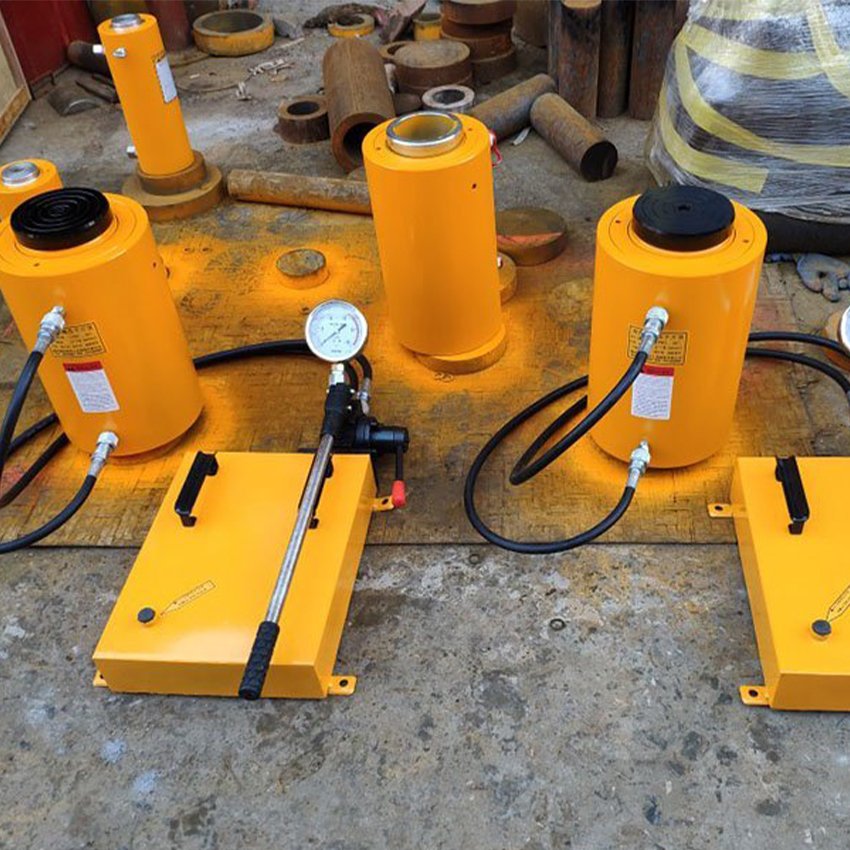
Whether you repair passenger cars, SUVs, commercial trucks, or heavy-duty vehicles, selecting the appropriate hydraulic jack ensures reliable performance and reduces downtime.
Hydraulic Jack Selection Guide: Why Choosing the Right Hydraulic Jack Matters
A hydraulic jack is one of the most essential pieces of equipment in any automotive repair shop. It is used to lift vehicles safely for maintenance, inspection, and repairs.
Selecting the wrong hydraulic jack can lead to:
- Reduced lifting efficiency
- Equipment damage
- Workplace accidents
- Increased maintenance costs
- Shorter service life
A professional hydraulic jack should match your workshop’s workload while providing sufficient safety margins for daily operations.
Hydraulic Jack Selection Guide Based on Vehicle Type
Different vehicles require different lifting capacities.
Passenger Cars
Recommended Capacity:
- 2–5 Ton Hydraulic Jack
Typical Applications:
- Tire replacement
- Brake repairs
- Suspension maintenance
- Oil changes
SUVs and Pickup Trucks
Recommended Capacity:
- 5–10 Ton Hydraulic Jack
Typical Applications:
- Chassis repair
- Axle maintenance
- Steering system repairs
- Exhaust replacement
Commercial Trucks and Buses
Recommended Capacity:
- 10–30 Ton Hydraulic Jack
Typical Applications:
- Transmission removal
- Engine servicing
- Frame maintenance
- Heavy-duty suspension repairs
Construction and Heavy Equipment
Recommended Capacity:
- 30–100 Ton Separated Hydraulic Jack
Typical Applications:
- Excavator maintenance
- Mining equipment repairs
- Agricultural machinery servicing
- Industrial equipment installation
Hydraulic Jack Selection Guide: Compare Different Hydraulic Jack Types
Choosing the right type of hydraulic jack is just as important as selecting the correct lifting capacity.
Separated Hydraulic Jack
A separated hydraulic jack consists of an independent hydraulic cylinder connected to a manual or electric hydraulic pump.
Advantages include:
- Higher lifting capacities
- Flexible positioning
- Remote operation
- Better stability
- Suitable for confined workspaces
- Easier maintenance
This type is widely used in professional automotive workshops and heavy-duty maintenance facilities.
Bottle Hydraulic Jack
Bottle jacks feature an integrated cylinder and pump.
Advantages include:
- Compact size
- Easy storage
- Lower cost
- Simple operation
They are commonly used for passenger vehicles and roadside repairs but are less suitable for continuous commercial use.
Low Profile Hydraulic Jack
Low profile hydraulic jacks are designed for sports cars and lowered vehicles.
Applications include:
- Performance vehicle maintenance
- EV servicing
- Luxury vehicle repairs
Their low minimum height allows technicians to access vehicles with limited ground clearance.
Hydraulic Jack Specifications Every Repair Shop Should Consider
Besides lifting capacity, workshop owners should evaluate several technical specifications before purchasing a hydraulic jack.
Hydraulic Jack Capacity
Available capacities commonly include:
- 2 Ton
- 5 Ton
- 10 Ton
- 20 Ton
- 30 Ton
- 50 Ton
- 100 Ton
Selecting a hydraulic jack with approximately 30% more capacity than the expected lifting load improves operational safety.
Hydraulic Jack Stroke
Typical stroke ranges:
- 50 mm
- 100 mm
- 150 mm
- 200 mm
- 300 mm
Longer strokes reduce the need for additional lifting accessories.
Hydraulic Jack Working Pressure
Professional hydraulic jacks typically operate between:
- 63 MPa
- 70 MPa
Stable hydraulic pressure ensures smooth lifting performance and extended service life.
Hydraulic Jack Materials
Premium hydraulic jacks usually feature:
- High-strength alloy steel cylinders
- Hardened pistons
- Corrosion-resistant coatings
- Heavy-duty seals
These materials improve durability in demanding workshop environments.
Hydraulic Jack Applications in Automotive Repair Shops
Modern repair shops use hydraulic jacks in nearly every maintenance process.
Engine and Transmission Repairs
Separated hydraulic jacks provide stable lifting when removing heavy powertrain components.
Typical jobs include:
- Engine removal
- Gearbox replacement
- Differential repairs
Suspension and Brake Maintenance
Hydraulic jacks simplify:
- Shock absorber replacement
- Control arm repairs
- Brake rotor installation
- Wheel bearing maintenance
Chassis and Frame Repairs
Professional body shops rely on hydraulic jacks for:
- Vehicle frame alignment
- Collision repairs
- Underbody inspections
- Welding operations
Commercial Fleet Maintenance
Fleet service centers often operate on tight schedules.
Separated hydraulic jack systems improve productivity by allowing technicians to lift heavy vehicles quickly and safely throughout the day.
How to Use a Hydraulic Jack Safely
Correct operation is essential for both technician safety and equipment longevity.
Hydraulic Jack Operating Procedure
- Park the vehicle on a flat, stable surface.
- Identify the manufacturer’s recommended lifting points.
- Position the hydraulic jack correctly.
- Connect the hydraulic pump if using a separated hydraulic jack.
- Lift the vehicle slowly while monitoring stability.
- Secure the vehicle using jack stands.
- Perform maintenance work.
- Lower the vehicle slowly after repairs are complete.
Routine inspection of hydraulic oil, hoses, seals, and cylinders helps maintain reliable performance.
Hydraulic Jack Trends for Automotive Repair Shops in 2026
The automotive service industry continues to evolve as vehicle technology advances.
Hydraulic Jack Innovations
Professional repair shops are increasingly adopting:
- Electric hydraulic pump systems
- Lightweight high-strength alloy cylinders
- Low-profile hydraulic jacks for EV battery servicing
- Smart pressure monitoring systems
- Portable separated hydraulic jack systems
- Energy-efficient hydraulic equipment
With the rapid growth of electric vehicles and commercial logistics fleets, workshops are investing in higher-capacity and more versatile hydraulic lifting solutions to improve service efficiency and workplace safety.
Why a Separated Hydraulic Jack Is the Best Choice for Professional Workshops
For repair shops that service a wide range of vehicles every day, a separated hydraulic jack offers significant advantages over traditional lifting equipment.
Its higher lifting capacity, remote hydraulic operation, flexible positioning, and compatibility with manual or electric pumps make it an ideal solution for demanding automotive repair environments.
Whether your workshop specializes in passenger cars, commercial trucks, or industrial vehicles, investing in a high-quality separated hydraulic jack helps increase productivity, reduce downtime, and provide safer working conditions for technicians.