
Have you ever pumped your hydraulic jack only to see it slowly sink under the load? The short answer is a hydraulic jack loses pressure because of internal oil leakage, trapped air, worn seals, overloaded operation, or poor maintenance. Fortunately, most pressure-loss issues can be diagnosed and corrected before they lead to equipment failure or unsafe lifting.
For automotive repair professionals, maintaining consistent hydraulic pressure is essential. Whether you’re replacing suspension components, servicing heavy-duty trucks, or aligning vehicle frames, a reliable Separated Hydraulic Jack ensures safety, precision, and efficiency.
This guide explains why hydraulic jacks lose pressure, how to solve the problem, and why separated hydraulic jacks remain the preferred lifting solution for modern auto repair workshops.
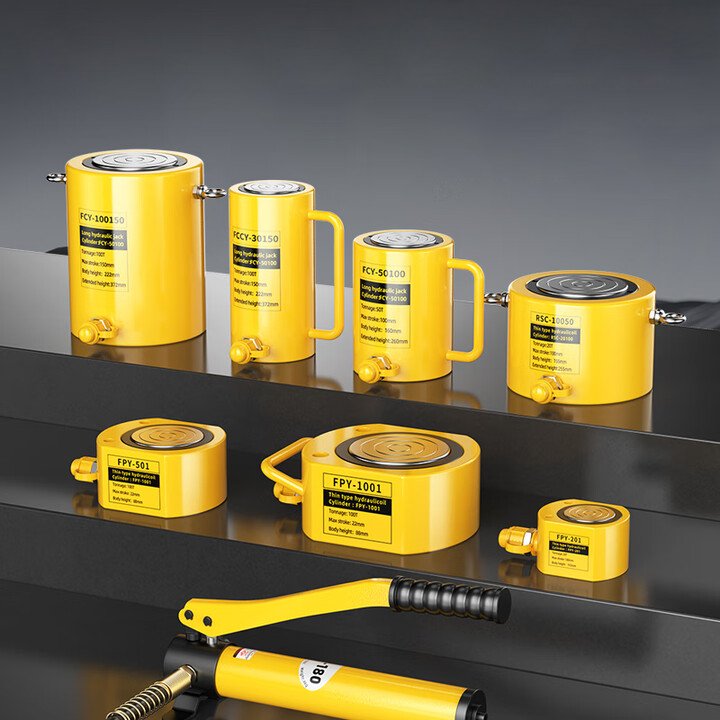
Why Does a Hydraulic Jack Lose Pressure?
Hydraulic jacks rely on sealed hydraulic oil to transfer force from the pump to the lifting cylinder. When the hydraulic system cannot maintain pressure, lifting performance decreases dramatically.
Below are the most common causes.
Internal Oil Leakage Causes Hydraulic Jack Pressure Loss
One of the most frequent reasons is internal hydraulic oil leakage.
Unlike visible leaks, internal leakage occurs when oil bypasses worn piston seals or damaged valves. The jack may initially lift the load but slowly lowers even without external oil escaping.
Signs include:
- Jack slowly lowers while supporting a vehicle
- Pump handle feels soft
- Reduced lifting capacity
- Longer pumping time
This issue is especially common after years of heavy-duty workshop use.
Air Inside the Hydraulic System
Air trapped inside hydraulic oil compresses much easier than oil.
As a result:
- Lifting becomes unstable
- The jack feels spongy
- Maximum lifting height decreases
- Pressure fluctuates during operation
Bleeding the hydraulic system usually restores normal performance.
Worn Seals and O-Rings
Every hydraulic jack contains multiple sealing components.
After thousands of lifting cycles, seals naturally wear due to:
- High pressure
- Dirt contamination
- Temperature changes
- Aging rubber materials
Damaged seals reduce hydraulic efficiency and eventually cause pressure loss.
Overloading the Hydraulic Jack
Every hydraulic jack has a rated lifting capacity.
Repeatedly exceeding this capacity may cause:
- Cylinder deformation
- Valve damage
- Seal failure
- Permanent pressure loss
Professional repair shops should always select a jack with sufficient lifting capacity for passenger cars, SUVs, commercial vans, and heavy trucks.
Contaminated Hydraulic Oil
Dirty hydraulic oil is another overlooked problem.
Metal particles, moisture, and dust gradually damage internal valves and piston surfaces.
Replacing hydraulic oil according to the manufacturer’s maintenance schedule significantly extends equipment life.
How to Fix Hydraulic Jack Pressure Loss
If your hydraulic jack loses pressure, follow these troubleshooting steps.
Inspect for External Oil Leaks
Look around:
- Hydraulic hose connections
- Pump body
- Cylinder
- Oil reservoir
- Release valve
Any visible oil usually indicates a failed seal.
Bleed Air from the Hydraulic Jack
Air bleeding is one of the easiest repairs.
Typical procedure:
- Open the release valve.
- Pump the handle 15–20 times.
- Close the valve.
- Test lifting performance.
- Repeat if necessary.
This removes trapped air from the hydraulic circuit.
Replace Worn Seals
Seal replacement restores hydraulic pressure without replacing the entire jack.
Professional workshops often keep seal repair kits in stock because they are inexpensive compared with purchasing a new hydraulic cylinder.
Change Hydraulic Oil
Fresh hydraulic oil provides:
- Better lubrication
- Stable pressure
- Longer seal life
- Improved lifting efficiency
Always use hydraulic oil recommended by the manufacturer.
Never Exceed Rated Capacity
Using the proper tonnage prevents long-term hydraulic damage.
Common automotive repair capacities include:
| Vehicle Type | Recommended Capacity |
|---|---|
| Passenger Cars | 10–20 Ton |
| SUVs | 20–30 Ton |
| Pickup Trucks | 30–50 Ton |
| Heavy Trucks | 50–100 Ton |
| Buses | 100 Ton+ |
Separated Hydraulic Jack Specifications for Professional Auto Repair
Modern separated hydraulic jacks are designed for demanding workshop environments.
Typical specifications include:
Capacity
- 10 Ton
- 20 Ton
- 30 Ton
- 50 Ton
- 100 Ton
- Custom capacities available
Maximum Working Pressure
- 700 Bar (10,000 PSI)
Stroke
- 20 mm
- 50 mm
- 100 mm
- 150 mm
- 200 mm
Minimum Height
- Ultra-low profile
- Compact design for limited clearance vehicles
Hydraulic Pump
- Manual hydraulic pump
- Electric hydraulic pump
- Air hydraulic pump
Construction
- High-strength alloy steel cylinder
- Hardened piston rod
- Corrosion-resistant coating
- Heavy-duty hydraulic hose with quick coupling
Safety Features
- Overload protection
- Pressure relief valve
- Anti-slip saddle
- High-strength sealing system
These specifications make separated hydraulic jacks suitable for continuous industrial use.
How to Use a Separated Hydraulic Jack Safely
Correct operation helps prevent pressure loss while improving workplace safety.
Step 1 – Inspect Equipment
Before lifting:
- Check hydraulic hoses
- Verify oil level
- Inspect connectors
- Confirm cylinder condition
Never operate damaged equipment.
Step 2 – Position the Jack Correctly
Place the cylinder directly under the manufacturer’s recommended lifting point.
Incorrect positioning may cause uneven loading and cylinder damage.
Step 3 – Connect the Hydraulic Pump
Ensure all quick couplers are fully locked before pumping.
Loose hydraulic connections reduce pressure.
Step 4 – Lift Slowly
Pump gradually while monitoring:
- Vehicle stability
- Cylinder alignment
- Hose condition
- Pressure consistency
Avoid sudden movements.
Step 5 – Lower Carefully
Release hydraulic pressure slowly to prevent sudden vehicle movement.
After use:
- Clean the cylinder
- Store in a dry location
- Retract the piston fully
Auto Repair Applications for Separated Hydraulic Jacks
Separated hydraulic jacks are widely used across automotive service industries.
Heavy Truck Repair
Lift commercial truck axles for brake replacement, suspension service, and differential maintenance.
Vehicle Frame Straightening
Generate controlled hydraulic force during collision repair and chassis alignment.
Suspension Maintenance
Compress or lift suspension components for spring, shock absorber, and control arm replacement.
Transmission Removal
Provide stable lifting support when removing heavy transmissions or gearboxes.
Engine Repair
Assist engine removal by stabilizing engine supports during servicing.
Fleet Maintenance
Ideal for logistics companies maintaining buses, trailers, mining vehicles, and construction equipment.
Why Professional Workshops Prefer Separated Hydraulic Jacks
Compared with conventional bottle jacks, separated hydraulic jacks offer several advantages.
Greater Flexibility
The remote pump allows operators to work safely away from confined lifting areas.
Higher Lifting Capacity
Capable of lifting extremely heavy commercial vehicles.
Better Stability
Low-profile cylinders fit beneath vehicles with limited ground clearance.
Easier Maintenance
Individual pumps, hoses, and cylinders can be serviced or replaced independently.
Longer Service Life
Heavy-duty construction withstands continuous industrial operation.
Recent Industry Trend: Smarter and Safer Hydraulic Lifting in 2026
As vehicle technology evolves, automotive workshops are servicing heavier electric vehicles (EVs), battery packs, and commercial fleets more frequently. These applications require lifting equipment that delivers consistent hydraulic pressure, precise control, and enhanced safety. As a result, many professional repair facilities are upgrading from traditional bottle jacks to separated hydraulic jack systems with high-pressure pumps, overload protection, and modular cylinders. This shift helps improve productivity, reduce downtime, and support the growing demands of modern vehicle maintenance.
Conclusion
A hydraulic jack losing pressure is usually caused by internal oil leakage, trapped air, worn seals, contaminated hydraulic oil, or overloading. Regular inspection, proper maintenance, and correct operating procedures can eliminate most problems before they affect workshop productivity.
For automotive repair professionals, a high-quality Separated Hydraulic Jack offers reliable lifting performance, superior safety, and long-term durability. Whether servicing passenger cars, heavy-duty trucks, buses, or construction vehicles, investing in a properly maintained hydraulic lifting system ensures efficient repairs and a safer working environment.